Blend reservations, flex capacity, and alerting so model teams never stall—and budgets stay predictable.
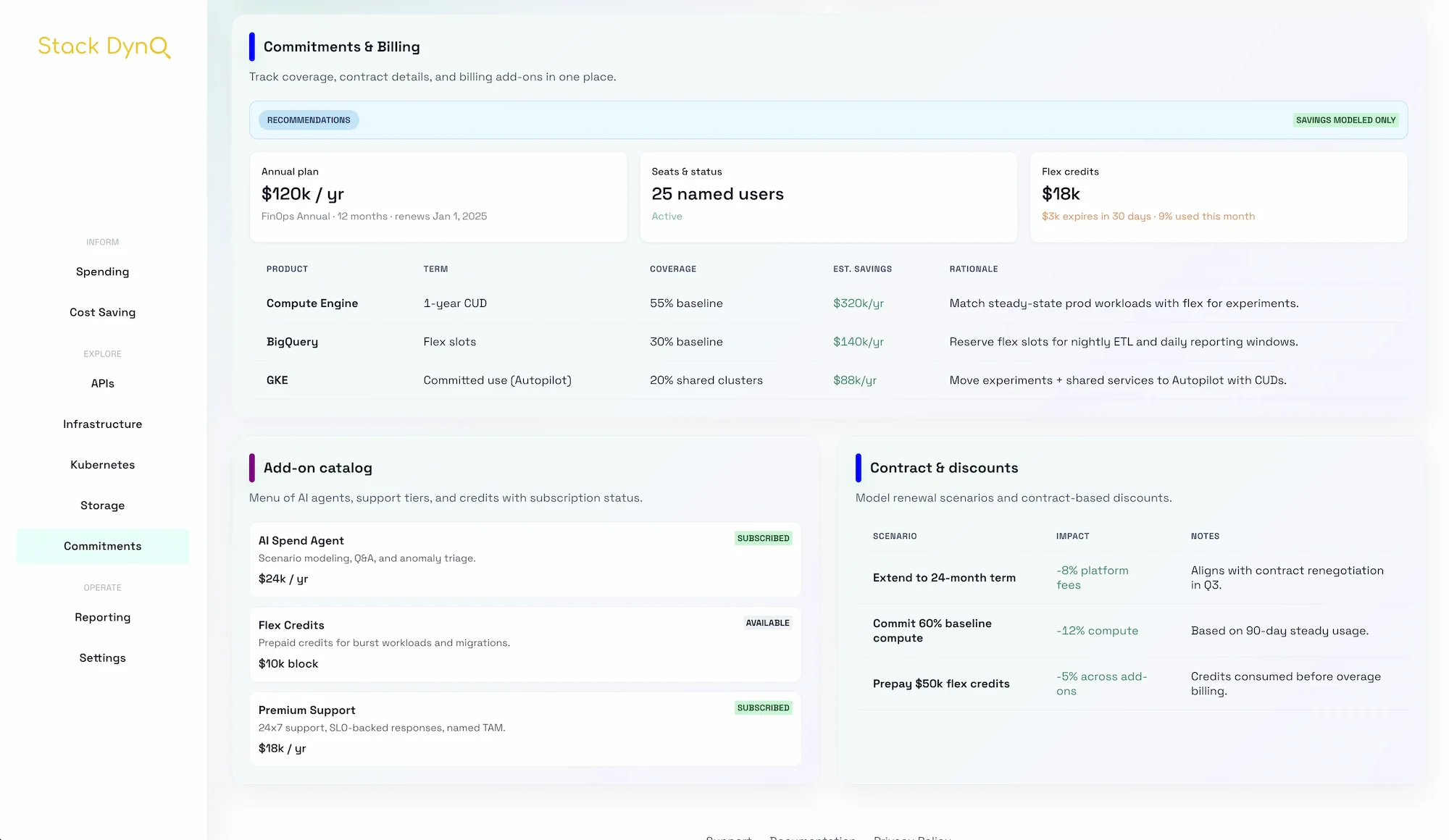
When GPU queues grow, morale drops and costs spike. A safety net combines lightweight capacity planning with alerts that reach owners before roadmaps slip.
Before diving in, remind teams that the goal is reliable access, not just lower cost. Capture the patterns that drive GPU requests.
Think of Stack Dyno as the control tower: it watches utilization and routes action to the right team.
import { planCapacity } from './sdk';
const plan = await planCapacity({
resource: 'gpu',
horizonDays: 90,
inputs: { trainingGrowth: 12, inferenceGrowth: 20 },
scenarios: ['baseline', 'burst-guardrails'],
});
Before diving in, give readers a quick narrative so the checklist lands with context. Share the state of capacity in one short update.
With a safety net in place, AI teams keep velocity while finance keeps predictability. Stack Dyno provides the modeling, alerting, and reporting to balance both.
Thanks for reading. Share feedback or ask for deeper dives on any topic.
View Stack Dyno