Stack Dyno
Reseller PortalFinOps AgentCloud Map

sign in

Back to blog
May 18, 2025

Give your cloud forecast a trust score

Measure the reliability of your predictions and show stakeholders where risk lives.
Forecasting
Finance
Analytics
Give your cloud forecast a trust score

Forecasts become credible when you quantify how often they are right. A trust score helps finance, sales, and engineering calibrate decisions without debate.

Components of a trust score

Before diving in, give readers a quick narrative so the checklist lands with context.

  • Historical accuracy by product line and environment.
  • Data freshness from billing exports and allocation feeds.
  • Volatility indicators for services with seasonality or rapid growth.
  • Sensitivity to pending product launches or deprecations.

Implementing in Stack Dyno

Before diving in, tie the actions to a clear outcome instead of a generic task list.

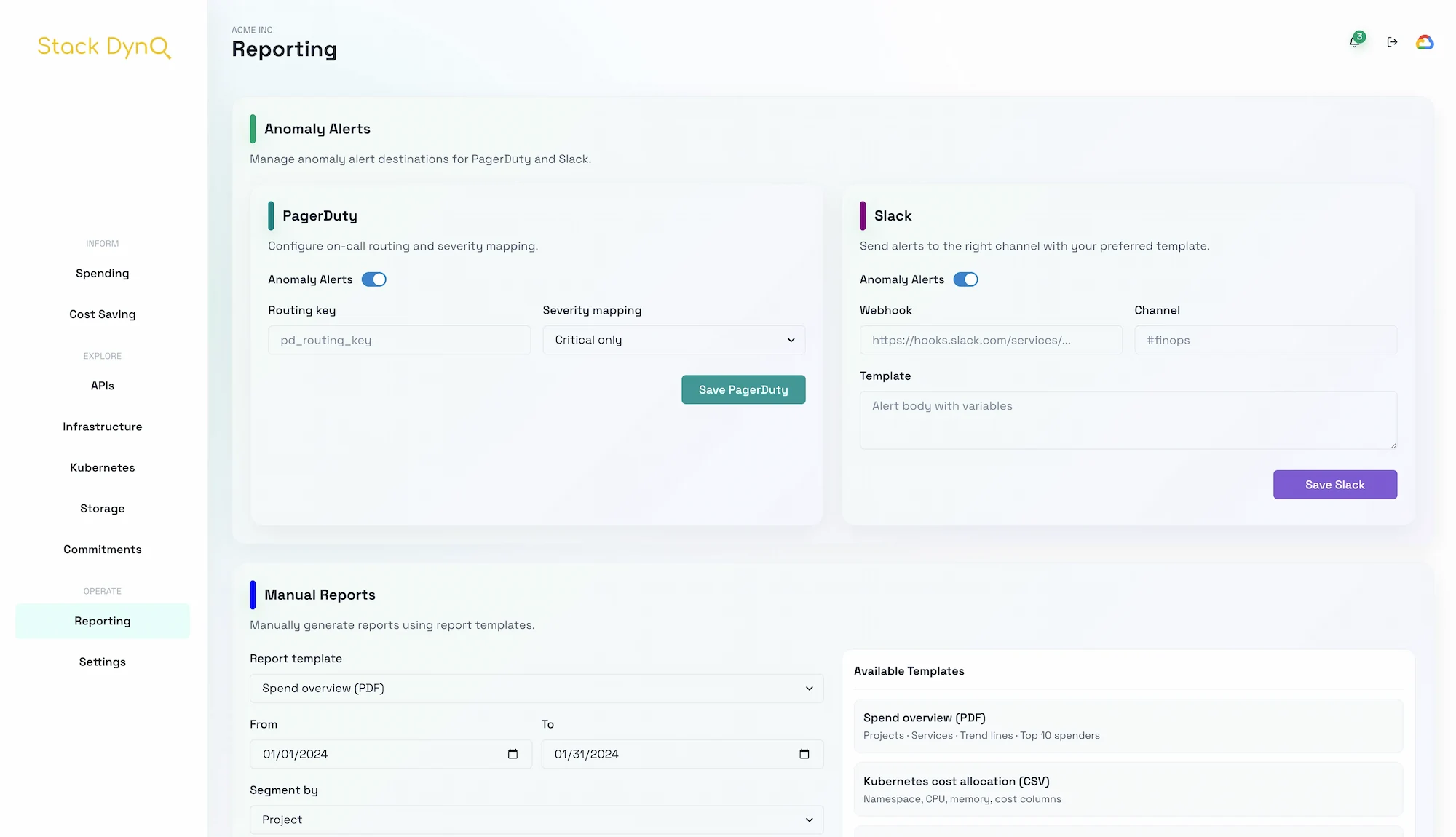
  • Use scheduled reports to share forecast accuracy alongside the latest projection.
  • Flag services with high variance in anomaly alerts so teams know where to hedge.
  • Pair forecasts with commitment planning scenarios to show upside and downside.

Communicating with stakeholders

Before diving in, anchor the list to the outcome customers should feel on the other side.

  • Lead with the trust score, then share the forecast; it sets expectations.
  • Highlight the top three assumptions and how you will validate them.
  • Capture variance drivers in Stack Dyno notes so changes are explainable.

Improving over time

Before diving in, give readers a quick narrative so the checklist lands with context.

  • Run monthly retros on forecast misses and update models accordingly.
  • Reduce manual inputs by aligning labels and ownership across projects.
  • Celebrate accuracy wins; it builds confidence in the FinOps program.

A clear trust score turns forecasting into a transparent, iterative process. Stack Dyno provides the data, alerts, and reporting to keep everyone aligned on what the numbers really mean.


Thanks for reading. Share feedback or ask for deeper dives on any topic.

View Stack Dyno