A 10-day cadence to align data science, platform, and finance on GPU spend, experiments, and releases.
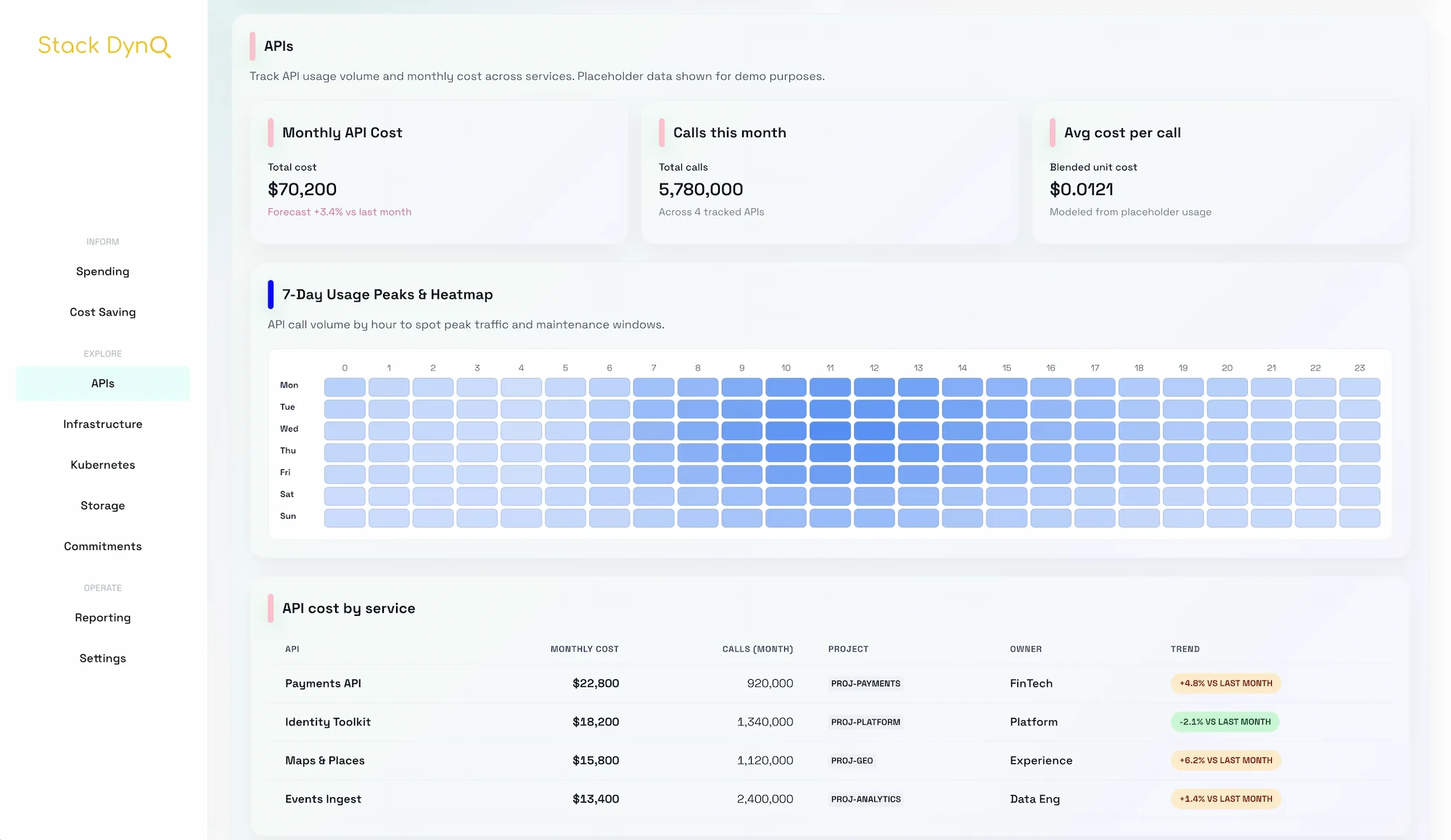
AI work moves fast, but budgets do not. A short, repeatable playbook keeps experiments shipping while Stack Dyno keeps the numbers straight.
Before diving in, anchor the goals to customer impact and margin. Agree on spend ceilings, target cost-per-run, and how success will be reported in Stack Dyno.
Add cost and utilization tags to every training and inference job. The aim is to see owner, model, dataset, and experiment ID in Stack Dyno spending flow without hunting.
model, dataset, and experiment labels.Before diving in, tie the actions to a clear outcome instead of a generic task list. Focus on the handful of runs that consume most of the budget.
import { recordOptimization } from './sdk';
await recordOptimization({
category: 'AI Training',
owner: 'ml-platform',
model: 'recsys-v7',
change: 'Swapped A100 80GB -> L4 for ablation runs',
expectedSavingsUsd: 1850,
status: 'in-progress',
});
Before diving in, give readers a quick narrative so the checklist lands with context. Executives want outcomes, risks, and next steps.
Guardrails make improvements stick. Capture them in Stack Dyno so they become defaults, not tribal knowledge.
AI teams stay fast when costs are visible and decisions are repeatable. Stack Dyno keeps the alerts, spending flow, and reporting aligned so experimentation does not surprise finance.
Thanks for reading. Share feedback or ask for deeper dives on any topic.
View Stack Dyno